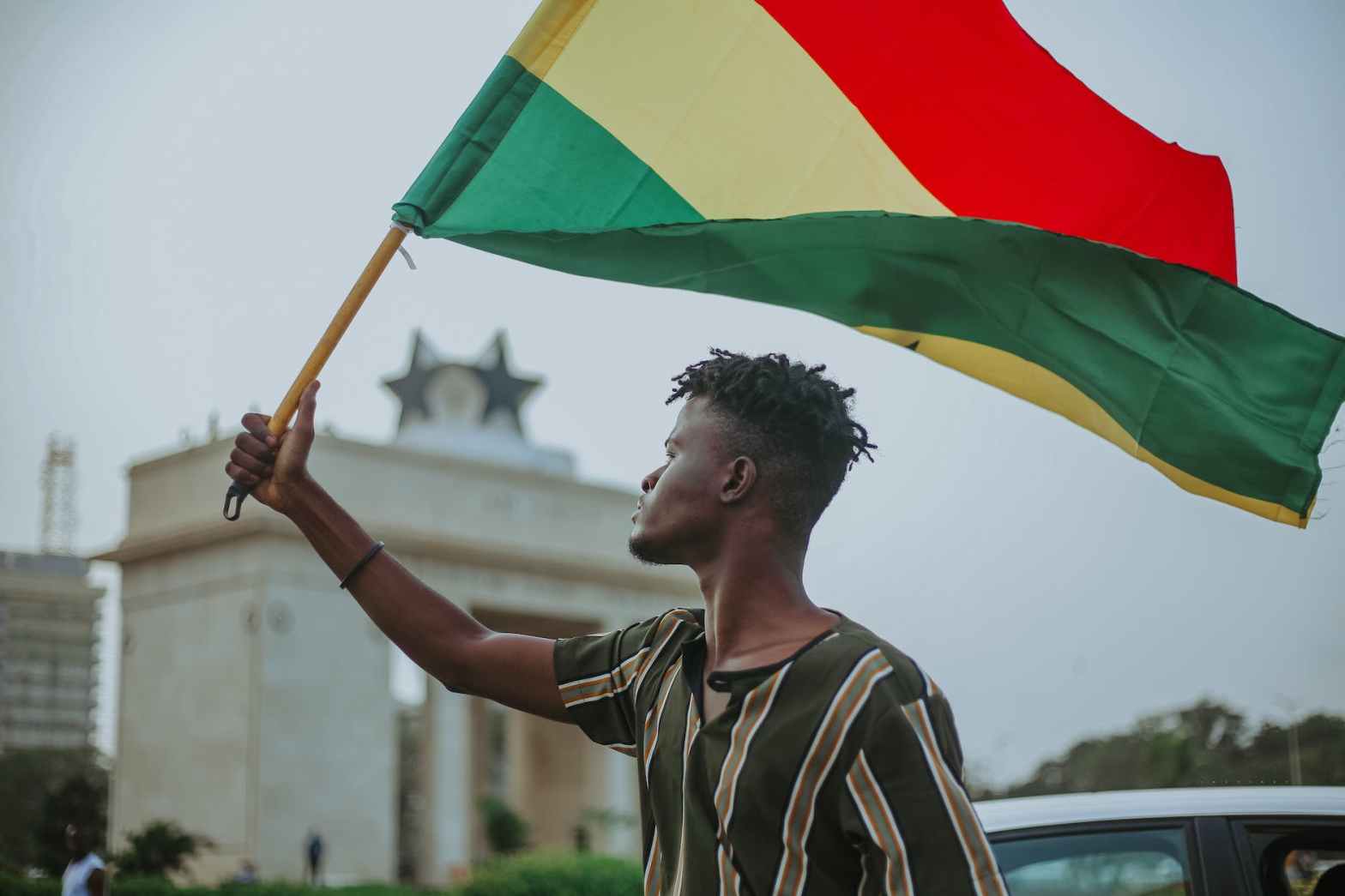
In honour of Ghana’s 66th Independence Day, here are 10 things you may or may not know about Ghana:
- Ghana was originally known as the Gold Coast before becoming the Republic of Ghana on 6th March 1957.
- The original Empire of Ghana was actually situated in the area that now comprises of south east Mauritania and part of Mali.
- Currently, there are 16 regions in Ghana, all of which have their own capital. Originally after independence there were only 5 regions, Eastern, Western, Ashanti, Volta and Northern.
- Although there are approximately 80 native languages spoken in Ghana, the official language of Ghana is actually English.
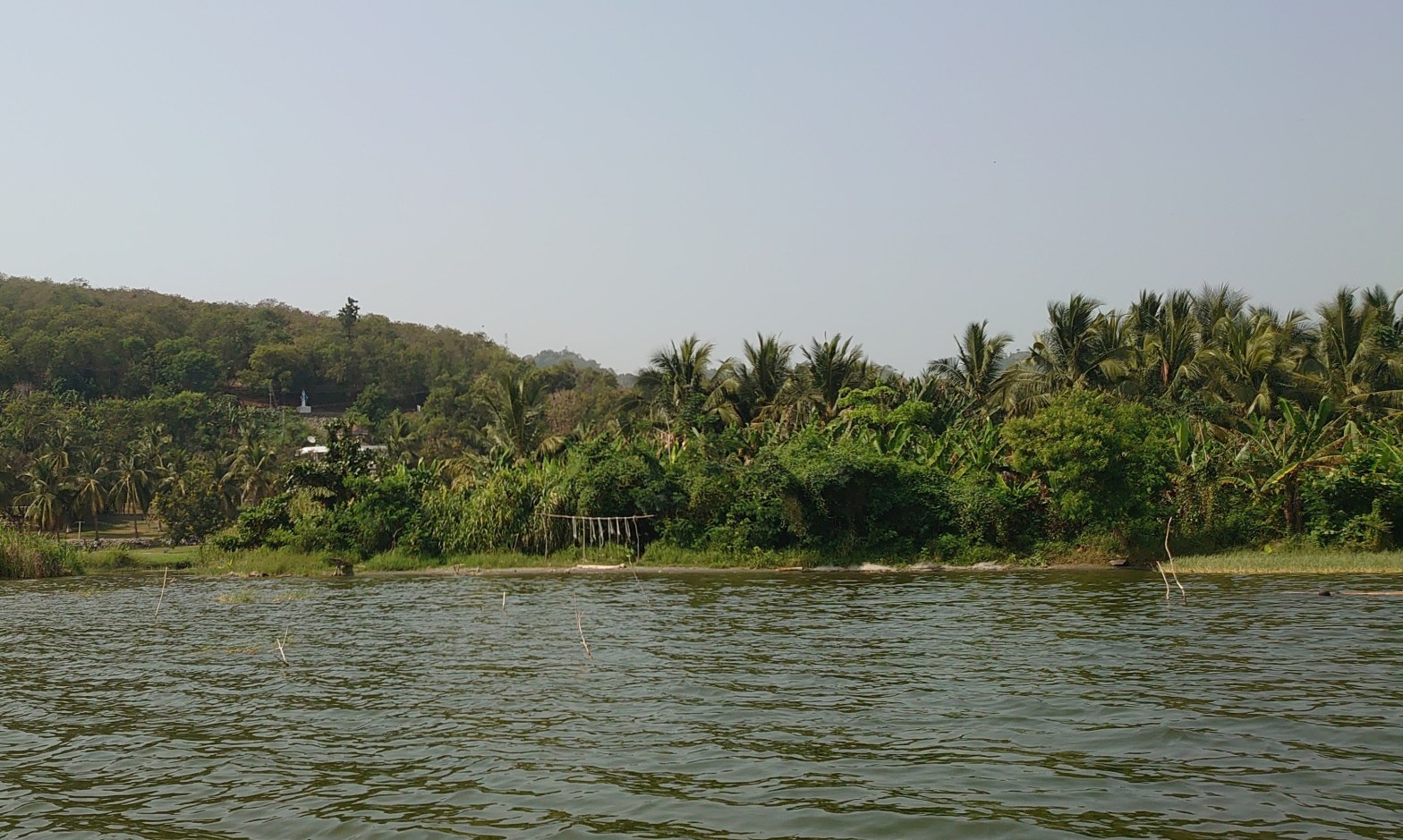
- Lake Volta is the world’s largest artificial reservoir and is completely situated within Ghana. The Akosombo dam utilises the lake to generate a portion of Ghana’s electricity.
- Ghana is one of Africa’s most peaceful nations.
- The largest city in Ghana is Accra.
- Ghana was proclaimed a British colony in 1875 and named the gold coast due to the vast amounts of gold found in the area.
- Ghana was the first Sub Saharan country to gain independence from colonial rule.
- The word Ghana means Warrior King in Soninke, a language which is actually primarily spoken in present day Mali.
By Christiana Sarsah
 GYP UK